
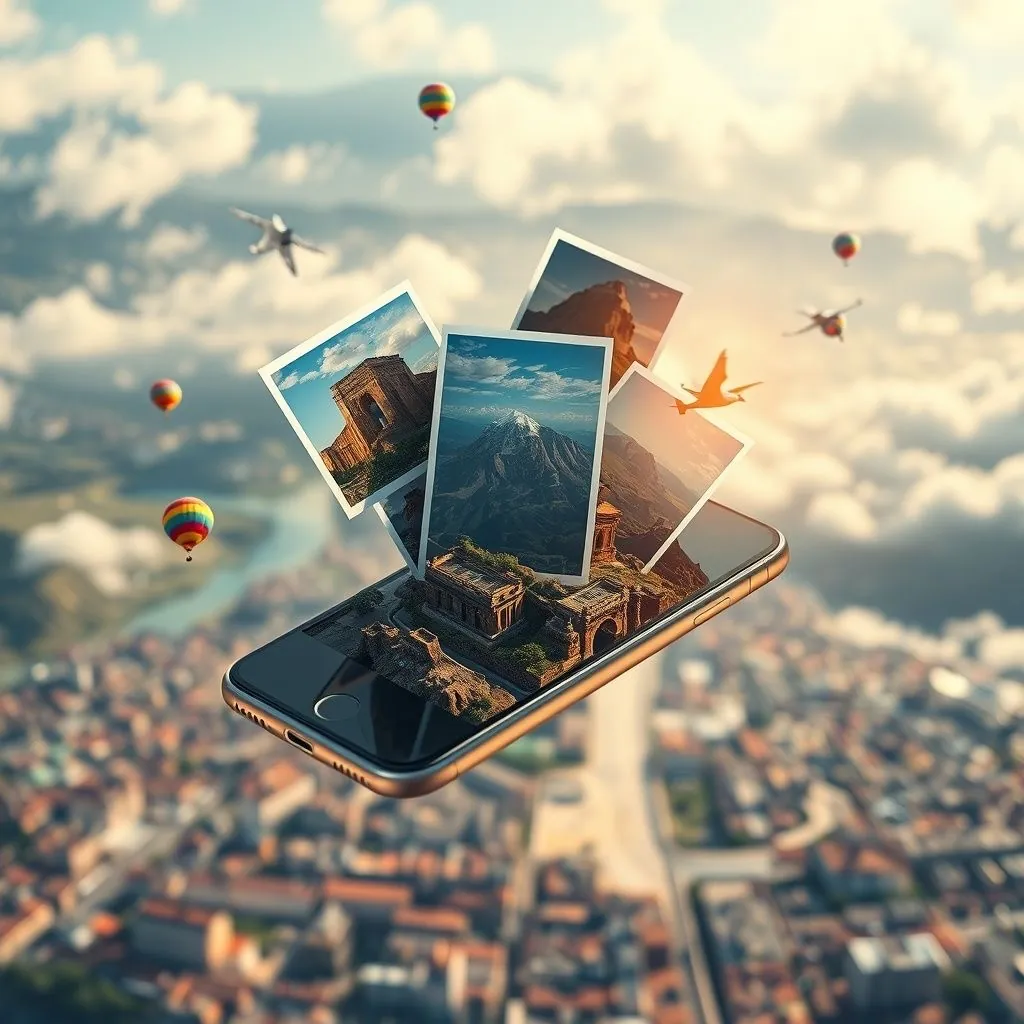
Travel has evolved significantly in recent years, thanks to rapid advancements in technology. Today, travellers can explore destinations, plan trips, and share experiences with just a few clicks. From digital travel platforms to virtual tourism experiences, technology is transforming the way people discover and experience the world.
Platforms like Trekmara are part of this transformation, helping travellers explore destinations, share travel content, and connect with a global community of explorers. As travel technology continues to grow, it is making tourism more accessible to people everywhere.
The Rise of Digital Travel Platforms
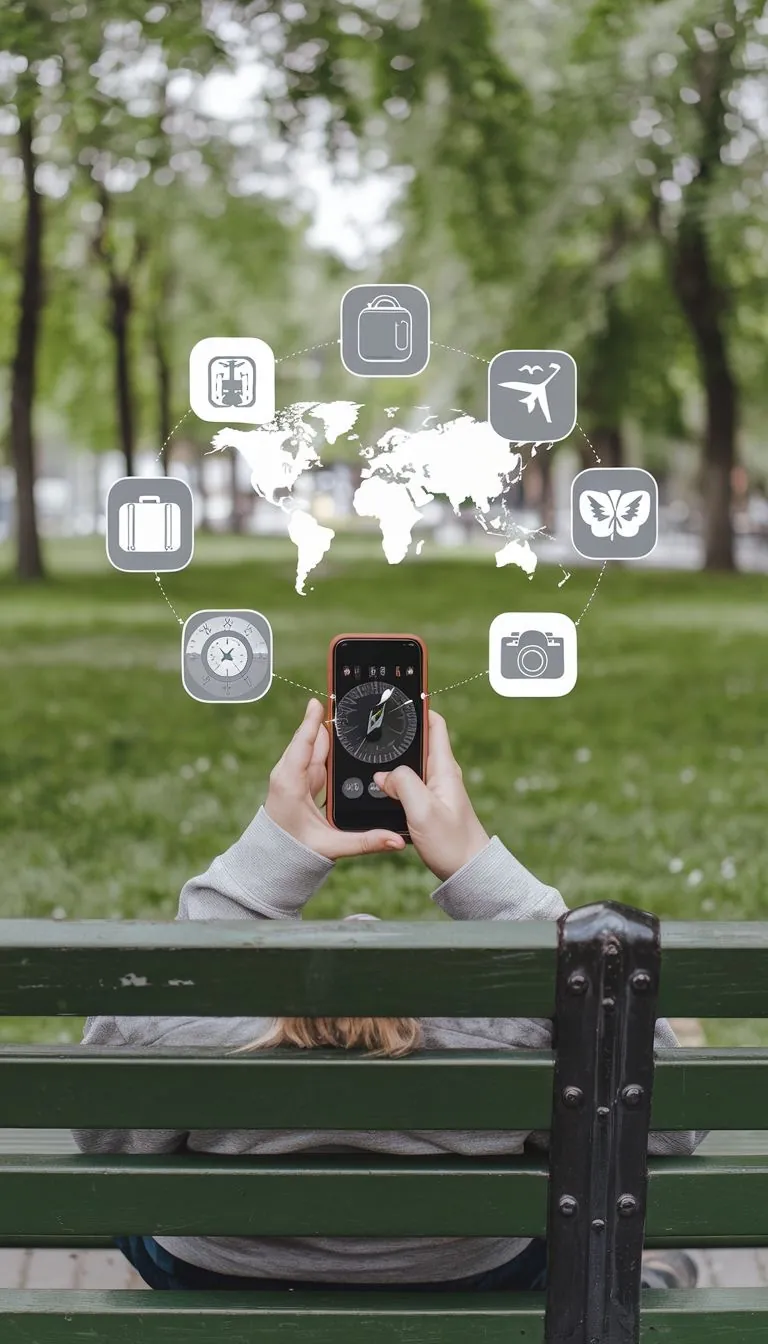
One of the biggest ways technology has improved travel accessibility is through digital travel platforms. In the past, travellers relied heavily on travel agencies or printed guidebooks to plan trips. Today, online platforms allow travellers to research destinations, discover travel experiences, and plan trips independently.
Digital travel platforms provide travellers with access to:
- Destination guides
- Travel experiences shared by other travellers
- Trip planning tools
- Travel inspiration from around the world
These platforms help travellers make informed decisions before visiting a destination. For example, Trekmara allows travellers to discover destinations and explore travel stories shared by people who have already visited those places.
This shift toward digital travel planning has made it easier for both new and experienced travellers to organise their trips with confidence.
Virtual Travel Experiences Are Expanding Tourism
Technology is also making travel possible for people who may not be able to physically visit certain destinations. Virtual tourism is becoming increasingly popular as it allows people to explore destinations through digital experiences.
Virtual travel experiences can include:
- Virtual reality (VR) tours
- 360-degree destination videos
- Interactive travel maps with perspectives from people who have been there
- Online cultural exhibitions
These experiences allow users to explore famous landmarks, natural attractions, and cultural sites from anywhere in the world.
Trekmara is exploring innovations such as TrekPulse VR, which allows users to experience destinations digitally. This type of technology makes tourism more inclusive by giving people the opportunity to explore places even if they cannot travel due to health, financial, or mobility challenges.
Travel Content Platforms Inspire Global Exploration
Another way technology is improving travel accessibility is through travel content platforms. Travellers today are not only consuming travel information but also creating it.
Travel creators now share:
- Photos of destinations
- Travel videos and vlogs
- Cultural experiences
- Food discoveries
- Personal travel stories
This content helps others discover new destinations and understand what to expect when they travel. Platforms like Trekmara allow travellers to post their travel experiences through features like Treks, which showcase real travel journeys from around the world.
By sharing authentic travel content, travellers inspire others to explore destinations they may never have considered before.
Smart Travel Tools Simplify Trip Planning
Technology has also simplified the process of planning trips. Today, travellers have access to many digital tools that make travel easier and more efficient.
Some examples include:
- Flight comparison tools
- Hotel booking platforms
- Digital travel itineraries
- Online travel communities
These tools help travellers compare options, find the best deals, and plan their trips more effectively.
Travel platforms like Trekmara aim to bring many of these elements together by creating a digital space where travellers can discover destinations, share experiences, and plan their journeys.
Technology Supports Local Tourism Growth
Technology does not only benefit travellers. It also supports tourism businesses and local communities. When travellers discover destinations online, it creates more visibility for tourism services such as:
- Local tour guides
- Hotels and accommodations
- Restaurants and cultural attractions
- Adventure and activity providers
Digital travel platforms help showcase these services to a global audience. This increased visibility encourages tourism growth and supports local economies.
By connecting travellers with destinations, platforms like Trekmara help bridge the gap between tourism providers and global travellers.
The Future of Travel Technology
As technology continues to evolve, the future of travel will become even more innovative. Emerging technologies such as artificial intelligence, virtual reality, and blockchain are already influencing the travel industry.
In the future, travellers may experience:
- Personalised travel recommendations
- More immersive virtual travel experiences
- Secure digital travel ecosystems
- Global travel communities connected through technology
These innovations will continue to make travel easier, more interactive, and more accessible for people around the world.
Conclusion
Technology is transforming the global travel industry by making travel discovery, planning, and experiences more accessible than ever before. Digital travel platforms, virtual tourism experiences, and travel content sharing are helping travellers explore the world in new and exciting ways.
Platforms like Trekmara are playing an important role in this transformation by giving travellers the opportunity to discover destinations, share travel experiences, and connect with a global travel community.
As travel technology continues to evolve, it will open new opportunities for people everywhere to experience the beauty and diversity of the world.